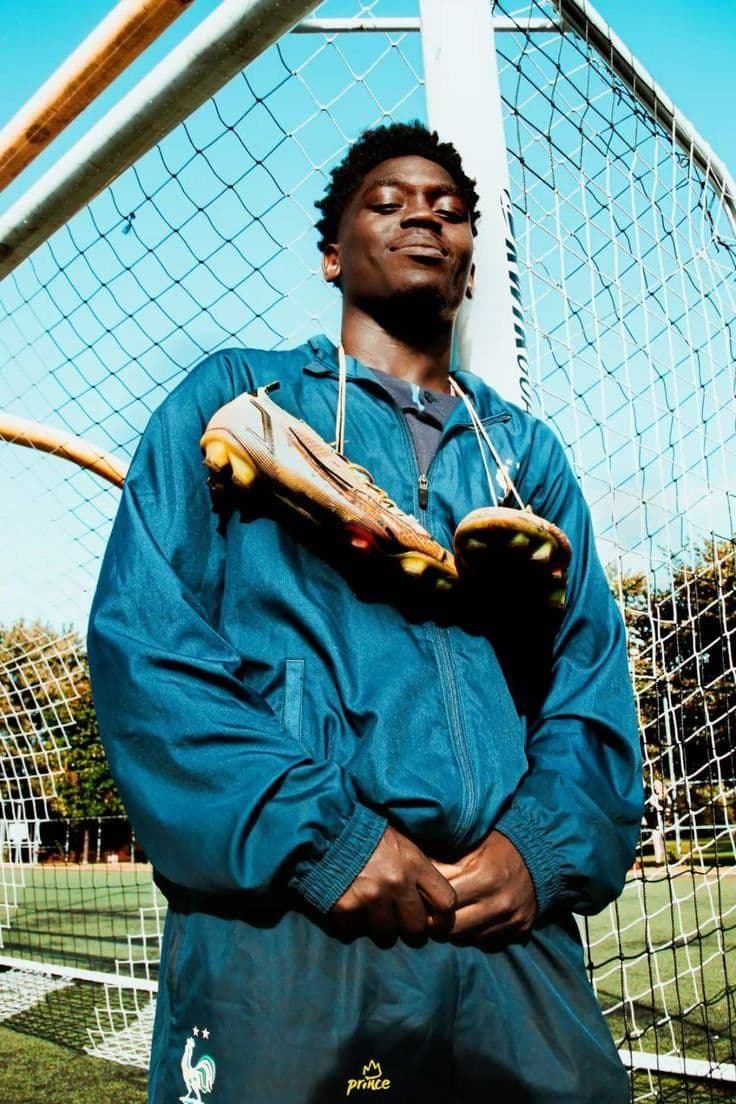
Every year a group of athletes finishes competing and starts looking at the business side of the industry they have spent a decade inside. The transition is genuinely available, sport is one of the few industries where a former participant has a real advantage, but the way it is usually attempted wastes the advantage entirely.
The common mistake is leading with the playing career as the qualification. A hiring manager reading an application that opens with representative honours is being asked to make an imaginative leap, and most will not. The playing career is context. It is not the case.
What genuinely transfers is easy to underestimate. Preparing to a standard under public scrutiny. Taking direct feedback without it costing you the next session. Operating inside a team where roles are explicit and performance is measured weekly. Meeting sponsor and media obligations you did not choose. In a commercial team those are not soft skills, they are the job, and most graduate hires do not have them.
What does not transfer automatically is equally worth naming. Owning a budget. Writing well enough that a document does the work when you are not in the room. Managing people who are not motivated the way you were. Sitting in a meeting where you are the least experienced person and being useful anyway. None of these are hard to learn. All of them take a first job to learn in.
Which raises the credential question. Study is not the only route and it is often the slower one. A postgraduate qualification is worth it if you want to move into a function with a technical floor, finance, law, data, and worth much less if you want a commercial or marketing role, where a year spent doing the work will beat a year spent studying it. The exception is that study buys you a cohort, and in an industry that hires through its network a cohort has real value.
There are two workable entry points. The first is inside sport, where your network is the asset and your understanding of the athlete and member experience is genuinely useful: commercial, community, participation, athlete services and events teams all hire people making this move. The second is one step outside, in agencies, media and brands that work with sport, where the pay is often better and the training is more structured. Both routes lead back to the same rooms in five years.
Expect a salary reset, and decide in advance what number you can live on. This is the point at which most transitions stall. A first commercial role pays what a first commercial role pays, regardless of what you earned as an athlete or how well known you are. The people who move through it fastest are the ones who treated the first two years as an apprenticeship and were explicit with themselves about that.
Practically, three things move this along faster than anything else. Have three conversations a month with people doing the job you think you want, and ask them what their week actually contains. Produce one written artefact, a market analysis, a partnership proposal, a content plan for a club you follow, that shows judgement rather than enthusiasm. And be specific about what you want, because "something in sport" is the request that no contact can act on, and "a commercial coordinator role at a venue or a club" is one that they can.